



How to create a relaxing atmosphere at home?

Creating a relaxing atmosphere in your home is about taking care of yourself and your loved ones. A calm space invites you to slow down, anchor yourself in the present moment, and grant yourself this daily interlude of well-being and relaxation.
HOZHO, creator of fragrant energetic remedies for the home, body, and soul, explains how to cultivate a more serene way of life through 10 key steps.
Step 1: Declutter your space to free up its energy
Tidying and organizing your space are the first acts of self-care. A cluttered space has a circular relationship with our emotional state: it is both a reflection and an amplifier of it.
Visual clutter generates an unconscious mental load that feeds stress and anxiety without us always identifying the source. Conversely, an organized space frees up attention, calms the nervous system, and opens up an inner space where relaxation becomes possible.
This link between the physical environment and emotional state is now well-documented. A study published in the journal Personality and Social Psychology Bulletin (Saxbe & Repetti, 2010) showed that people living in homes they described as cluttered had significantly higher cortisol levels.
These results echo the principles of Zen and Feng Shui, in which intentional emptiness is an invitation to the circulation of energy and emotional balance. Tidying, in these traditions, is an act of purification and inner harmony.
In practice, there's no need to reorganize everything at once. Adopt the 10-minute daily tidy-up rule to maintain a cozy atmosphere effortlessly.
Prioritize furniture with closed storage to limit visual pollution, and remember to air out your rooms regularly to renew the indoor air quality and the energy of the space.
Step 2: Optimize lighting to create a soothing ambiance from morning to night
Light is the primary regulator of our biological clock. Long before the invention of electricity, our physiological rhythms naturally synchronized with the solar cycle: bright, white light in the morning to awaken the body, warm, dimming light in the evening to prepare for rest.
By disrupting this cycle with artificial light that is too bright after sunset, we send a contradictory signal to our bodies that blocks melatonin production and desynchronizes our internal clock.
Lighting also directly influences mood, levels of anxiety, and our ability to slow down during the day.
This point deserves special attention given that approximately 20% of the population experiences sensory hypersensitivity. This personality trait is characterized by a highly perceptive nervous system, for which overly intense light stimuli can quickly become a source of stress or discomfort.
Neurodivergent individuals, including those with autism, attention deficit disorders, or hyperactivity, are also more affected by the quality of the light environment. Therefore, optimizing the lighting in your home means taking care of your emotional responses and anticipating the sensory needs of all household members.
In practice, a few adjustments are enough to transform the ambiance of a room. Opt for warm-spectrum bulbs (2700 K) in spaces dedicated to relaxation, and install dimmers to adapt the light intensity to each moment of the day.
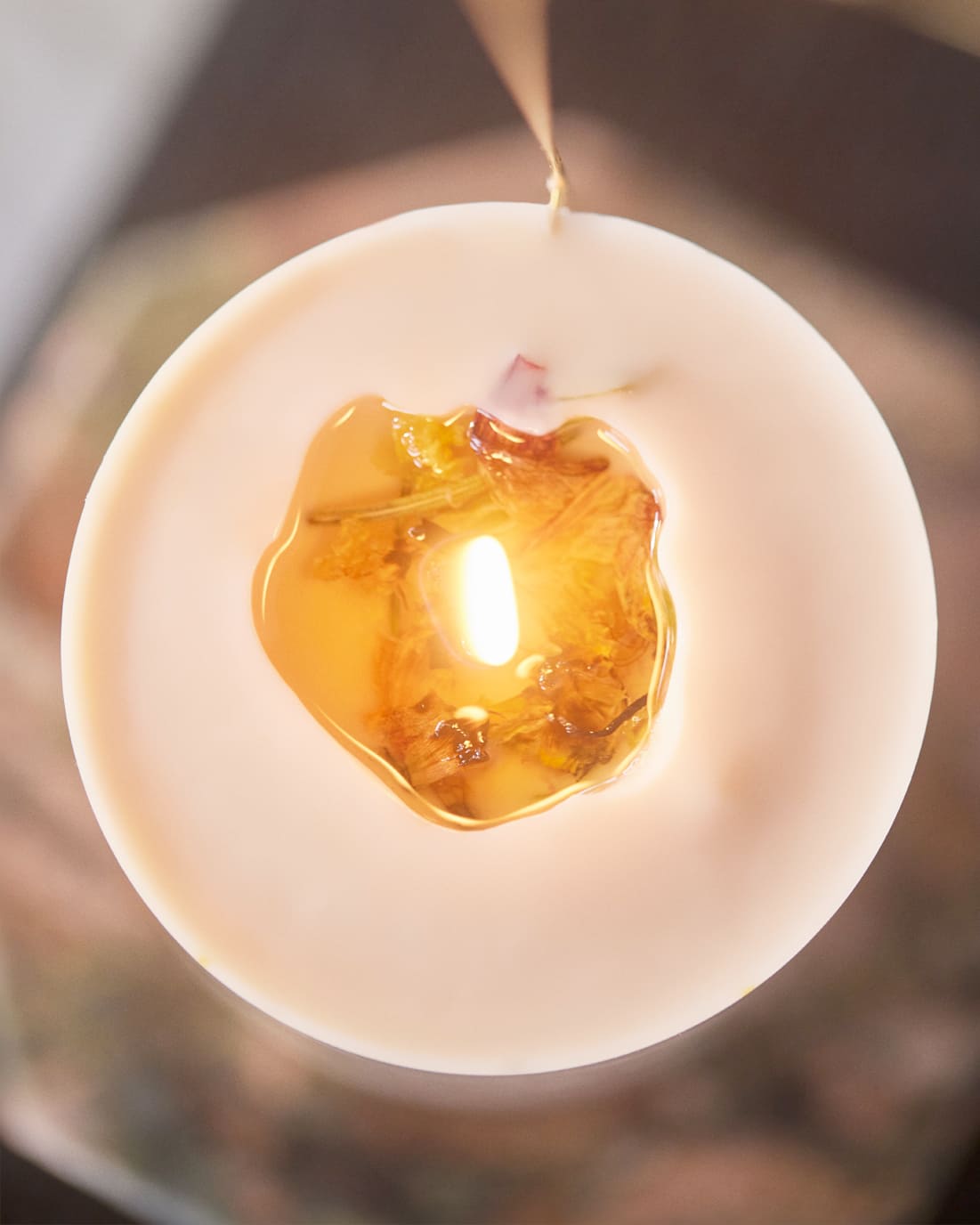
Candles are also valuable natural light sources that integrate very well into evening rituals. The Scandinavian tradition of hygge has made it an art of living in its own right: in Nordic countries, the subdued light of candles and low-intensity lamps is at the heart of the soothing atmosphere of the winter home.
Finally, avoid any bright or blue light after 7 PM to preserve sleep quality and allow the body to naturally enter its recovery time.
Step 3: Diffuse a fragrant energetic remedy in your spaces
Among all our senses, olfaction holds a special place. It is the only sense directly connected to the limbic system, the seat of emotions and memory. Where an image or sound passes through the cortex before being interpreted, a scent acts immediately. A well-chosen olfactory ambiance can thus change the emotional state in a few seconds, lower cortisol, and pave the way for deep relaxation.
Science confirms this. Studies published in Frontiers in Pharmacology (2019) have shown that inhaling lavender essential oils (lavender) produced a measurable anxiolytic effect, with a significant reduction in heart rate and blood pressure.
But great spiritual traditions had already sensed this. In almost all cultures, fragrance precedes ritual and signals to the body and mind that ordinary time fades, that relaxation, meditation, or contemplation can begin.
To fully benefit from these effects, choose an energetic remedy made from natural scents and plant-based raw materials, without synthetic fragrance.
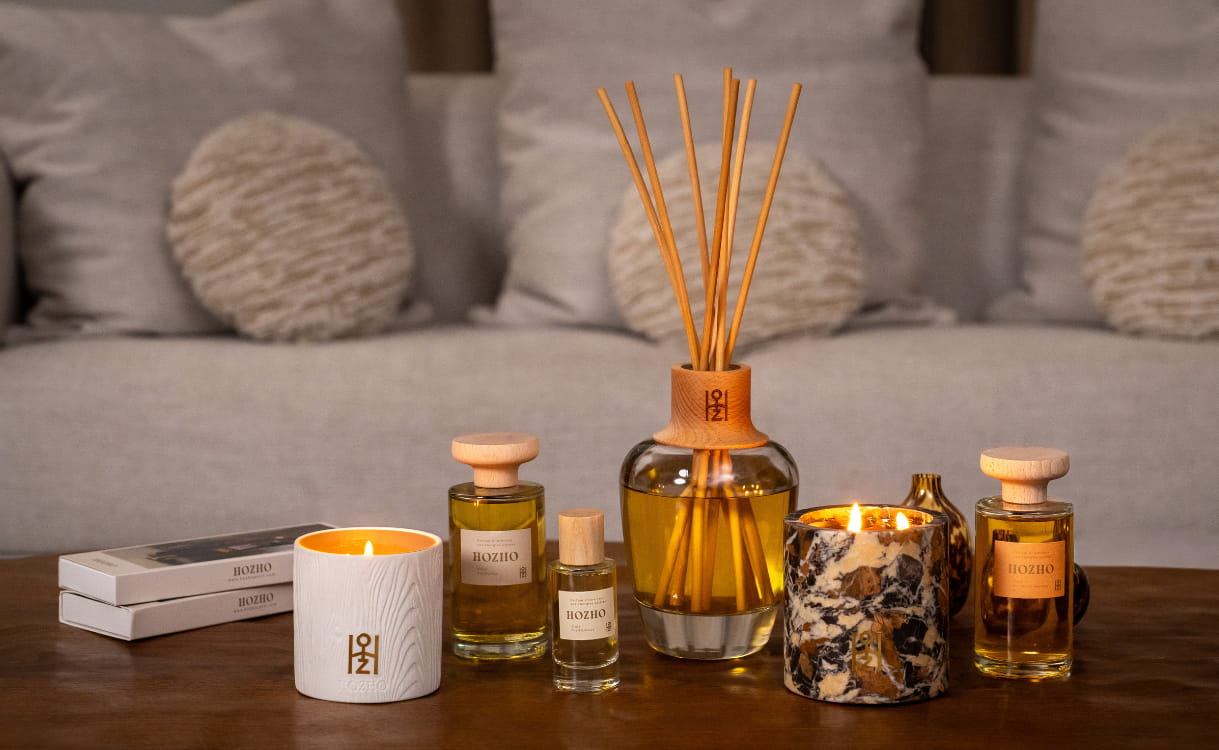
HOZHO fragrant energetic candles, sprays, and diffusers
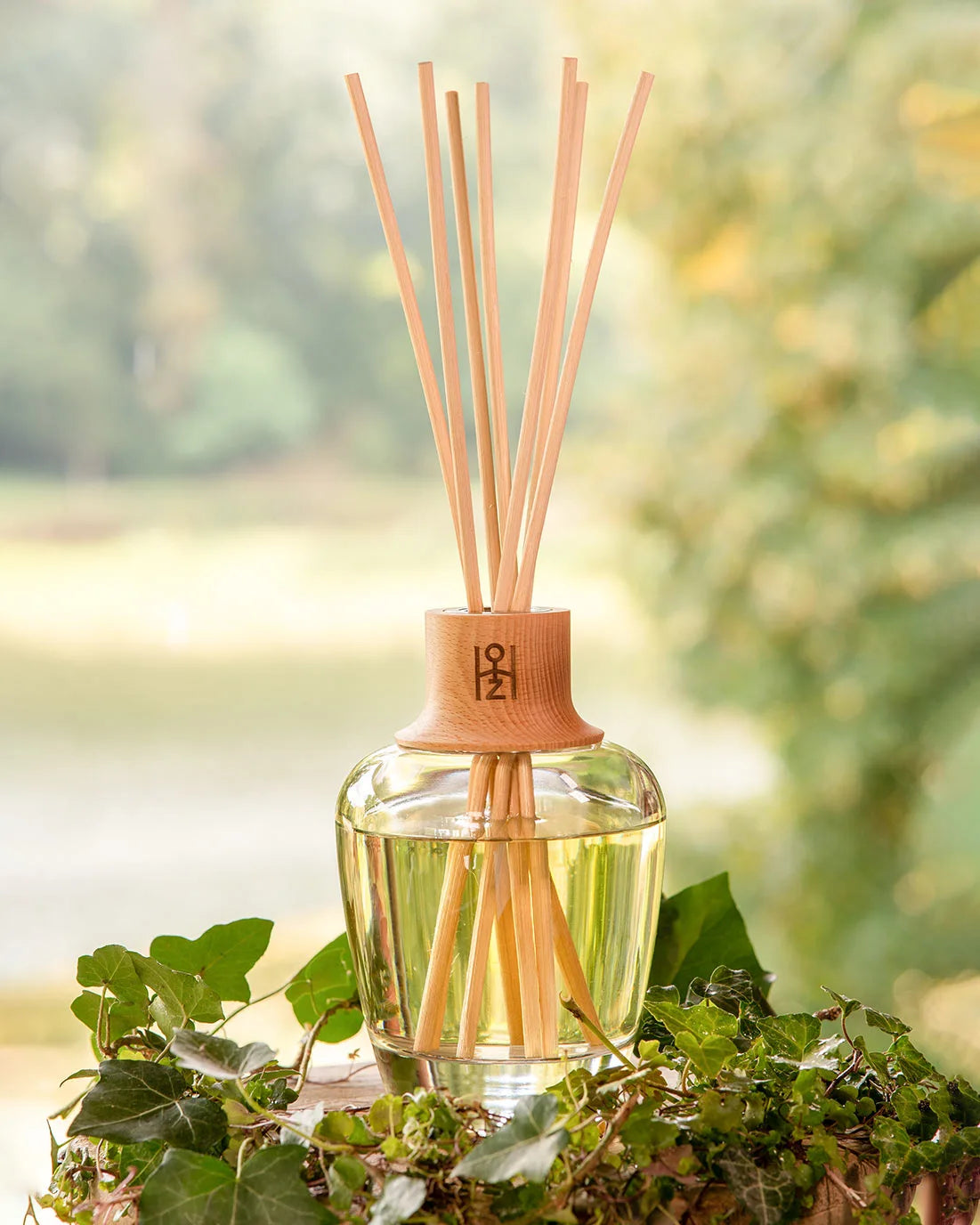
Then adapt the format to your intention of the moment. HOZHO's Rains, in fragrant spray form, instantly reset the energy of a place with a few sprays, ideal before a session of conscious breathing or mindfulness. The Breezes, as diffusers, establish a continuous and enveloping olfactory presence. The Flames, as scented candles, invite the most immersive evening ritual, where light, warmth, and fragrance work together to promote letting go.
Made in France with over 95% naturally sourced ingredients, HOZHO scented remedies are designed as true home well-being tools. Artisanally crafted fragrances serving inner harmony and daily emotional balance.
Step 4: Reduce noise pollution and embrace silence
Noise is one of the primary and most underestimated factors of chronic stress in urban and domestic environments. Yet, the World Health Organization identifies noise pollution as the second leading environmental cause of health problems in Europe, after air pollution.
Noise pollution keeps the nervous system in a state of hyper-vigilance, even at levels that the conscious ear no longer perceives. It raises cortisol, fragments concentration, and disturbs sleep.
Start by identifying avoidable sources of noise: notifications, television, appliances on standby. In terms of layout, certain interior design choices naturally help reduce sound reverberation. Thick carpets, heavy curtains, cushions made of natural materials, and well-stocked bookshelves absorb sound waves and soften a room's acoustics.
When external noise is difficult to control, several alternatives exist. Noise-canceling headphones, for example, allow you to create a bubble of silence on demand, particularly useful in dense urban environments.
White noise and natural sounds such as rain, waves, or wind in the trees are available on loop on most listening platforms. They do not eliminate ambient noise but mask it under a uniform and soothing sound layer that promotes concentration, meditation, and falling asleep.
In the context of deeper meditative practices, tuning forks and Tibetan singing bowls hold a special place. Used for centuries in Buddhist and Hindu traditions, they produce sound frequencies whose vibrations spread within the body as much as they diffuse into space. Their long, enveloping sound naturally encourages slowing down breathing and refocusing attention on the present moment.
Chimes, meanwhile, are often used in Feng Shui to mark energetic transitions in a place, signal the beginning of a ritual, or simply remind the body to release accumulated tension.
Step 5: Arrange a zen corner dedicated to relaxation and meditation
The brain learns by association. When a space is systematically used for work, it mentally becomes a space of performance and effort. When a space is dedicated to rest, meditation, or mindfulness, it becomes a physiological trigger for relaxation: simply settling into it causes the body to begin to slow down. This is the power of spatial conditioning, and it is precisely why arranging a zen corner in your home is essential.
Environmental psychology proves this. In his seminal work (Environmental Psychology, Robert Gifford, 2014), the researcher demonstrates that the physical space directly influences the cognitive and emotional state of its occupants.
This intuition spans cultures. In Japanese tradition, the concept of ma refers to intentional empty space, the one chosen not to be filled to allow energy to flow freely. This emptiness is not a lack: it is a form of presence, a breath in interior decoration that invites the mind to settle.

In practice, a zen corner does not require a dedicated room or a large space. All it needs is a calm corner, clearly separated from the workspace and screens. Place a rug made of natural materials to define the space and add cushions and throws to envelop the body in a cozy and reassuring atmosphere, conducive to letting go. Incorporate natural elements such as a houseplant, a pebble, a piece of raw wood, or a candle to remind the nervous system of the security of life and essentials.
Step 6: Adorn the room with soothing colors and natural materials
Colors, like light and sound, directly affect the autonomic nervous system. They influence heart rate, cortisol levels, and the ability to slow down and enter a state of deep relaxation.
A study published in Frontiers in Psychology (2019) confirms that exposure to green and blue tones significantly reduces the stress response. These colors evoke safe natural environments in which the nervous system can relax without vigilance.
On the other hand, chromotherapy considers warm, amber tones as natural inducers of relaxation and coziness. Conversely, bright and saturated hues—red, vivid orange, or intense yellow—stimulate arousal and activation, making them unsuitable for relaxation spaces.
The slow living movement has integrated these principles into a coherent interior philosophy. It thus favors uncluttered spaces, composed of natural materials and neutral colors, designed to slow down the pace and promote daily emotional balance.
In practice, opt for a palette of natural and soft tones: off-white, warm beige, sage green, light ocher, pale terracotta. These colors create a neutral backdrop that soothes the eye and allows the mind to rest.
Introduce natural materials wherever possible: linen for textiles, wood for furniture, ceramic for objects, thick cotton for throws and cushions.
Limit overly geometric or aggressive patterns in relaxation areas, and do not hesitate to leave empty surfaces, because emptiness is also a material.
Step 7: Adopt houseplants
Plants soothe, revitalize, and recenter. Biologist Edward O. Wilson gave a name to this intuition shared by all cultures: biophilia, the idea that connection to living things is not an aesthetic amenity, but a fundamental need ingrained in our very nature.
Ayurvedic tradition has always known this, choosing certain plants as much for their energetic virtues as for their beauty. Tulsi, or holy basil, is considered a purifying plant for space and mind. Aloe vera, meanwhile, is associated with protection and healing.
Beyond their symbolic charge, houseplants actively contribute to air quality by absorbing certain volatile organic compounds present in our living spaces. Some even diffuse essential oils that influence our mood.
Caring for plants is also a mindfulness practice in its own right. In Japan, meticulous plant care is part of a philosophy of care deeply rooted in the culture: a slow, repeated gesture that refocuses attention on the present moment and gradually drives away the daily mental noise.
To each room its plant. Lavender and jasmine, with their naturally soothing scents, will find their place in the bedroom to accompany the evening ritual. Pothos and ficus, serene and low-maintenance, beautifully adorn a living room or a zen corner. Aloe vera, generous and resilient, thrives in the bathroom.
And to complete the ensemble, combine the plant presence with a complementary olfactory ambiance. A fragrant remedy with floral, woody, herbaceous, or zesty notes, diffused near your plants, extends the sensation of living air and greenery. It is this sensory coherence, day after day, that durably transforms the energy of the place.
Step 8: Limit screens and establish a real digital detox
We spend an average of over seven hours a day in front of a screen, and often the last minutes of our evening with our eyes glued to a phone. However, this routine has real physiological consequences. The blue light emitted by screens inhibits melatonin production, delays sleep onset, and impairs the quality of sleep cycles.
A study published in PNAS (Chang et al., 2015) showed that reading on a screen in the evening delayed sleep onset by an average of one and a half hours, reduced REM sleep duration, and lowered alertness the next morning, even after a full night's sleep.
Furthermore, overexposure to notifications keeps cortisol elevated late into the evening, maintaining a state of constant alert that the nervous system can no longer spontaneously leave. Each notification is a micro-stimulus that interrupts the natural decompression process. Cumulatively, these micro-stimuli create chronic nervous fatigue.
Sophrology and mindfulness approaches have for several years integrated digital disconnection as a well-being practice in its own right. In the philosophy of slow living, screen-free time is not an emptiness to be filled: it is time returned to oneself, to inner harmony, and to presence in the real world. Some therapists even speak of "digital fasting" to refer to these voluntary periods of disconnection, emphasizing their effect on emotional regulation and attention quality.
Establish a strict rule regarding screen-free zones: the bedroom and the zen corner must remain protected from any digital solicitation. Define a fixed cut-off time, ideally two hours before bedtime, and stick to it with the same regularity as an important appointment.
Replace the reflex of the evening screen with a sensory ritual: diffusing a fragrant remedy, practicing a few minutes of conscious breathing, self-massage, or updating your gratitude journal. These regularly repeated gestures recondition the brain towards a natural and lasting state of relaxation.
Finally, adopt a traditional alarm clock so that your phone is not the first and last object of every day.
Step 9: Establish an evening ritual to prepare the body and mind
The quality of sleep is determined long before bedtime: in our evening activities, the sensations and emotions we stimulate, and the environment we create to welcome rest. The transition between active time and rest time does not happen naturally in our contemporary lifestyles: it is prepared, cultivated, and ritualized. Without this transition, the body remains in a state of activation, and sleep is lighter, more fragmented, and less restorative.
The work of researcher Till Roenneberg confirms that regular habits, repeated at the same times, synchronize the internal biological clock and optimize melatonin secretion. Sophrology and mindfulness are based on this principle: a sequence of identical actions, regularly repeated in the same order, creates a stimulus-response association that the nervous system eventually automates.
To establish this ritual, choose three to five actions that you can repeat every evening at the same time without constraint. Taking a warm shower before bed soothes and slows down the nervous system. You can also put a few drops of lavender essential oil on your pillow and wrists, diffusing an energetic treatment to envelop your resting time. A few stretches, yoga postures, or a foot self-massage will also facilitate bodily relaxation.
Then practice a few minutes of abdominal breathing or guided meditation to actively lower cortisol and slow down your heart rate. Finish with some pleasant reading.
Step 10: Understand what science says... Cortisol, oxytocin, and melatonin
We have gone through nine steps together to create a relaxing atmosphere in your home. Before concluding, it is useful to understand why these actions work, because behind each piece of advice are precise hormonal mechanisms.
It all starts with cortisol, the stress hormone. Secreted by the adrenal glands in response to a perceived threat, real or symbolic, it mobilizes the body's resources to cope. Cortisol is therefore necessary, but becomes problematic when it is constantly produced, stimulated by noise, disorder, or light.
Oxytocin, often called the bonding or security hormone, acts as a mirror. Where cortisol mobilizes, oxytocin soothes. It is stimulated by benevolent physical contact, soft textures against the skin, warmth, familiar natural scents, and positive interactions.
Finally, melatonin is the orchestrating hormone of sleep. Produced by the pineal gland in the dark and in the absence of chronic stress, it initiates the physiological descent into rest by lowering body temperature and slowing down waking functions.
What science says, ultimately, is that the space we live in influences our biological system. Creating a relaxing atmosphere at home is therefore about taking care of your emotional and hormonal balance and recognizing that well-being at home begins with how you choose to live there. In awareness, senses, intentions, and energies.