

How to create a zen atmosphere at home? A complete guide to transforming your interior

Coming home after a long day, closing the door, breathing, feeling relaxed... This is the promise of a serene home that takes care of you.
Beyond its decorative aspect, our living space impacts our nervous system, facilitates letting go, regulates stress, and promotes mental recovery. Conversely, clutter, bright colors, unpleasant odors, or noise are factors that negatively affect psychological balance daily.
Creating a zen atmosphere at home is, therefore, primarily an act of self-care, particularly sought after by highly sensitive individuals.
Discover in this guide which colors, materials, scents, or lights to favor to make your home a cocoon of serenity.
#1 Gentle colors that invite calm
Color is the first signal our brain receives when entering a room. It creates an almost immediate path between our eye and the cerebral structure responsible for emotional responses.
To establish a zen atmosphere, the choice of palette is crucial, whether for walls, furniture, household linen, or decorative objects.
The zen palette relies on soft, desaturated hues:
Off-whites and beiges warm and create a soothing backdrop that allows the space to breathe.
Green, the ultimate color of nature, inspires tranquility and emotional stability. It calms the nervous system, helps restore peace and serenity. Soft shades like sage, eucalyptus, or gray-green are particularly suitable for resting areas.
Blue reduces heart rate, blood pressure, and respiration while increasing mental concentration.
Color psychology studies how different hues influence our perceptions, behaviors, and emotions. Neuroscience studies show that each color activates distinct brain regions.
Blue and green tones thus activate areas associated with calm and emotional regulation, while warm tones like red or orange are linked to alertness because they stimulate the prefrontal cortex.
Note: do not confuse blue tones with the blue light from screens, which acts on a distinct neurological mechanism and, on the contrary, disrupts sleep. We will return to this in the lighting section.
Ban vivid reds, saturated oranges, and clashing color combinations for spaces dedicated to calm. Strong contrasts can cause visual stress, especially during periods of emotional overload. These stimulating colors, however, find their place in workspaces, meeting rooms, or kitchens, to promote exchange, creativity, and collective energy.
These recommendations align with a much older discipline: feng shui. This ancestral art from China gives colors a predominant role in regulating energies. In its precepts, colors belong either to Yin, the pale and soothing hues, or to Yang, the bright and dynamic colors. Finding a balance between these tones helps bring well-being and serenity to the interior.
Chromotherapy is a complementary approach that uses colors to support physical and emotional well-being. Already in antiquity, the Chinese, Indians, Egyptians, and Greeks used it for therapeutic purposes. It is based on the idea that each color possesses its own light frequency capable of influencing our psycho-emotional state: blue is associated with relaxation and letting go; green, with deep relaxation and emotional harmonization.
#2 Textures and natural materials: touch for well-being

A zen interior is also built through touch, under the hands, under bare feet on a warm parquet floor. Natural materials help create a cozy space suitable for all seasons.
Linen, thick cotton, wool, raw wood, matte ceramic, woven rattan: these materials reassure, warm, and last over time.
Wood, a living material par excellence, soothes and grounds. Its presence in a room, whether as furniture, flooring, or accessories, lowers the perceived stress level.
Linen and cotton dress sofas, cushions, and throws with a softness that invites you to settle down, to snuggle up in the moment.
Ceramics and rattan add an artisanal and organic dimension that resonates with the values of high craftsmanship.
In feng shui and several geobiology traditions, materials also play a role as energy correctors: certain materials are reputed to absorb or diffuse stagnant energies in a space. Wood, bamboo, and natural stone are thus considered allies of interior harmony.
These natural materials awaken within us an innate sense of connection to the elements and structure many traditions. They remind us that we, too, are beings of nature, subject to the same rhythms as the living world.
Some traditions go even further, linking the choice of materials and domestic rituals to lunar cycles. The full moon, associated with renewal and purification in many cultures, is a privileged moment to clean one's space, renew objects, or initiate a new ritual. The waning moon, conversely, invites rest, withdrawal, and introspection. Living in harmony with these cycles is to recognize that our living space is not impervious to the natural world.
#3 Lighting directly influences our brain
Few elements have such an immediate impact on our inner state as light. It orchestrates our biological rhythms, regulates melatonin production, and conditions our level of alertness or relaxation at every hour of the day.
During the day, favor natural light. Clear windows, choose light sheer curtains that filter without excessively darkening. Daylight maintains cortisol at a healthy level in the morning, strengthens concentration, and naturally prepares the body for evening rest.
In the evening, the transition to soft, warm light is essential. Low color temperature bulbs (2700K maximum), accent lamps, string lights send a signal to the brain that the day is ending and rest can begin.
Screens are, in this regard, real disruptors: their blue light blocks melatonin secretion and keeps the brain in an alert state. Banning them at least an hour before bedtime is one of the most effective ways to improve sleep quality.
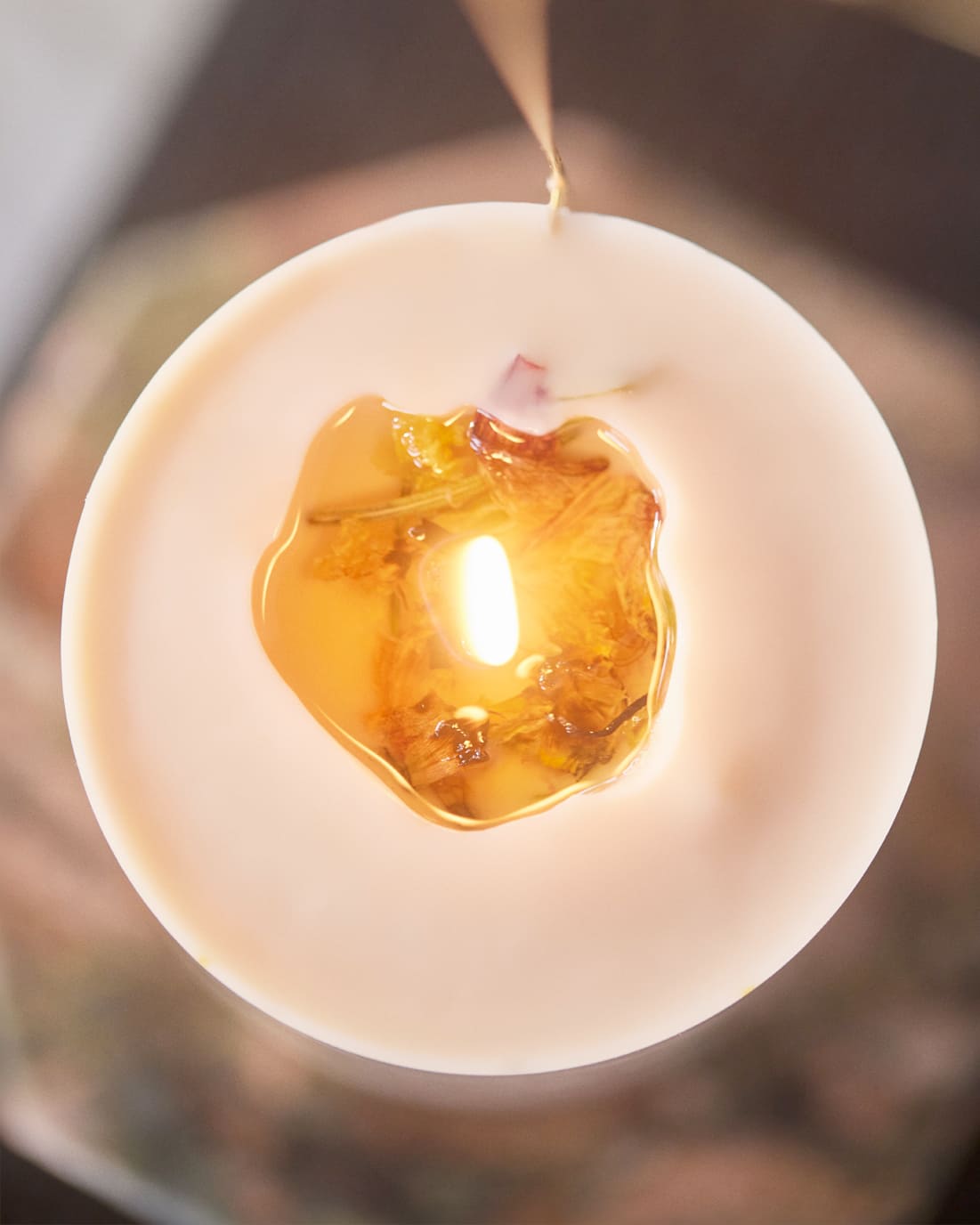
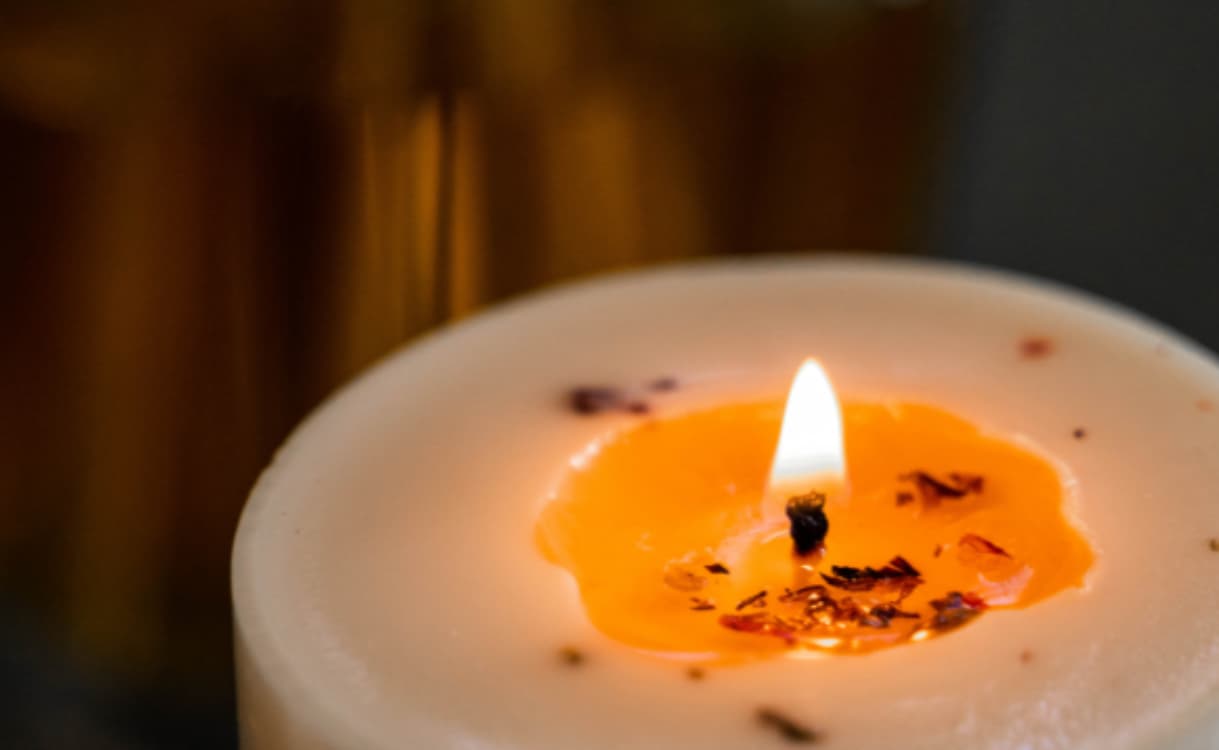
Finally, the candle deserves special mention. Beyond its flickering light, the only naturally irregular light that is soothing to the nervous system, it invites ritual, slowing down, a form of daily ceremony. Lighting a candle in the evening is marking a transition, signaling to one's body and mind that another time is beginning.
#4 Tidiness and organization: freeing up space to free the mind
Clutter is a low-level stressor. A cluttered environment constantly demands our attention, creates constant visual noise, and keeps cortisol at a high level, even when we are not consciously paying attention to it.
The principles of zen tidying are based on this: the fewer objects in the visual field, the more the space breathes and the mind calms. Keeping what is useful or truly loved, releasing what clutters: this is the promise of a lighter interior. It is also one of the fundamental principles of feng shui.
Each room requires specific organization:
- Living room: favor clear surfaces, simple furniture, closed storage.
- Bedroom: minimize as much as possible. It should be a space dedicated to rest and intimacy, free of objects related to work or screens.
- Bathroom: integrated storage, few exposed objects, a clean and soothing surface.
- Work area: clearly define the workspace from the rest of the home. What is no longer seen when moving away no longer weighs on the mind.
#5 Natural scents: aromatic and energetic well-being
Smell is the most short-circuited sense: fragrances reach the limbic system, the seat of emotions and memory, without passing through the filter of rational consciousness.
Among the major families of soothing fragrances, we find:
- Woods and resins (sandalwood, cedar, amber, copal), which ground, invite meditation, evoke the forest and depth.
- Tranquilizing plants (lavender, valerian, chamomile), which calm, fight stress and anxiety, purify, and connect us to nature.
- Florals (rose, jasmine, neroli), which comfort, envelop, and bring a memorable softness.

Many recommend diffusing essential oils, but this is not suitable for everyone. Certain profiles require particular vigilance: people suffering from respiratory problems or allergies, pregnant women, young children, the elderly, and pets can react adversely to certain molecules. It is always advisable to check the compatibility of the oils used and to diffuse in well-ventilated areas. Furthermore, their aromatic inertia often remains limited over time.
Scented candles and classic home fragrances, however, are frequently formulated with synthetic perfumes that contribute to indoor air pollution. Parabens, phthalates, synthetic musks: these are all compounds that we prefer to avoid in a home we are trying to make healthy.
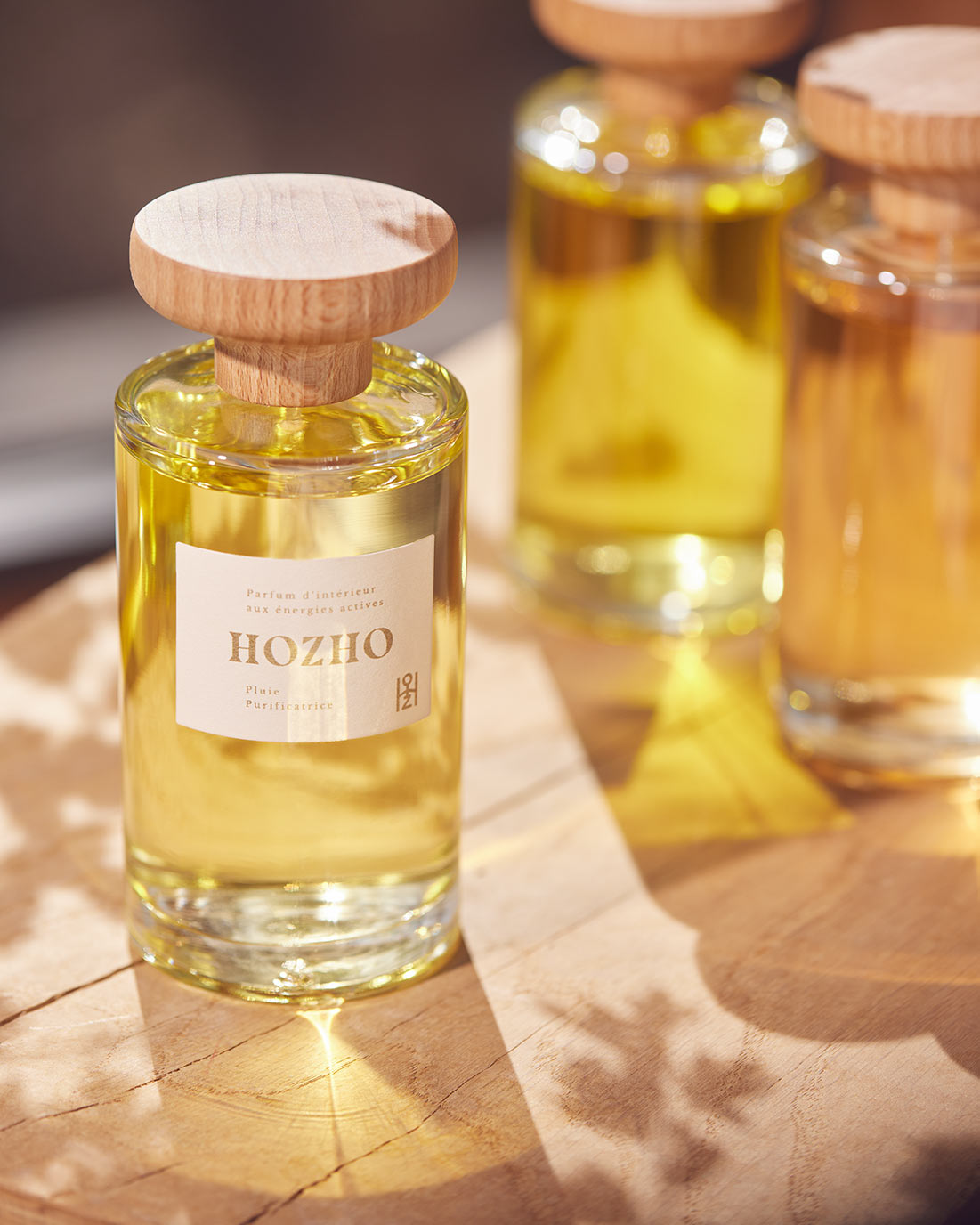
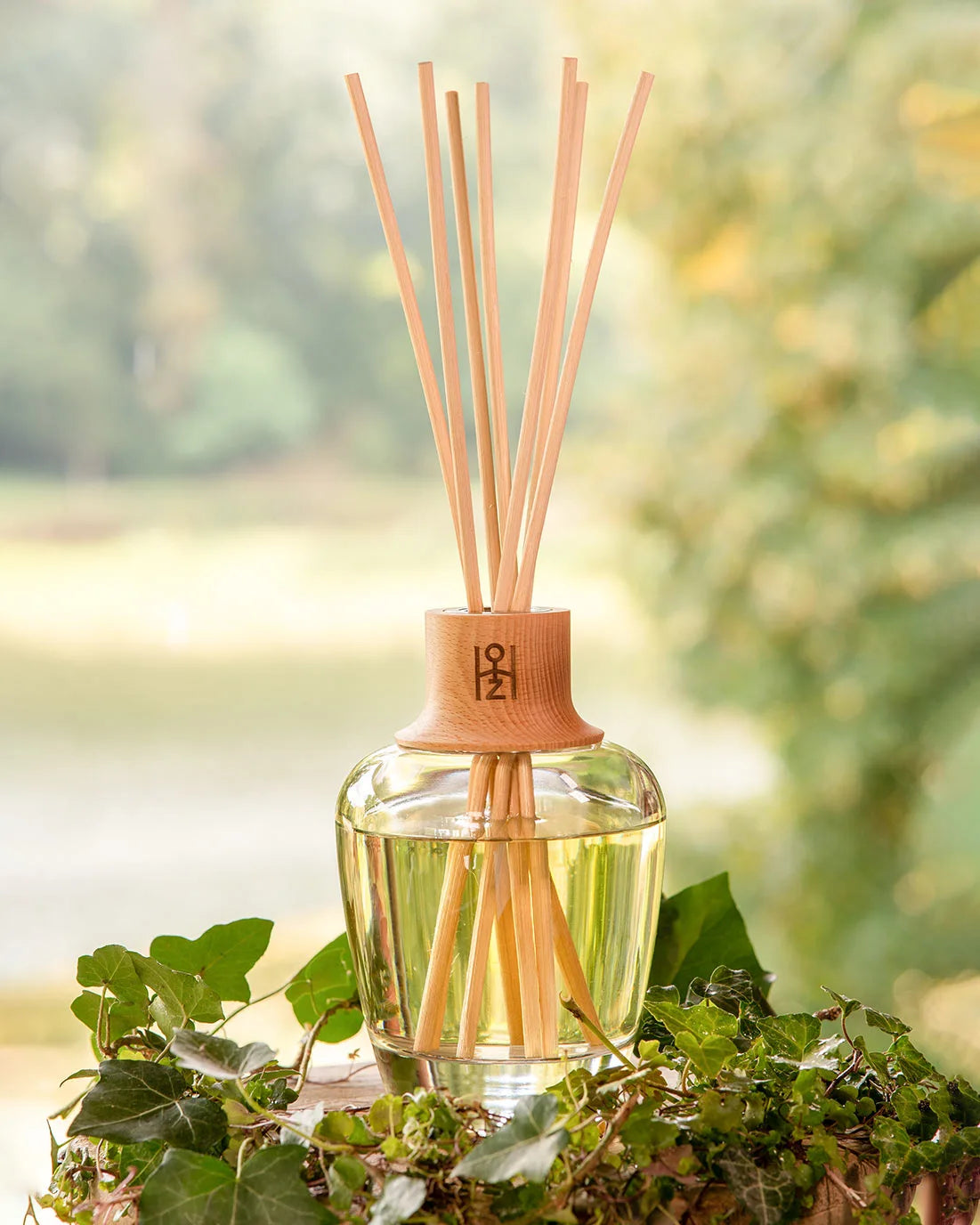
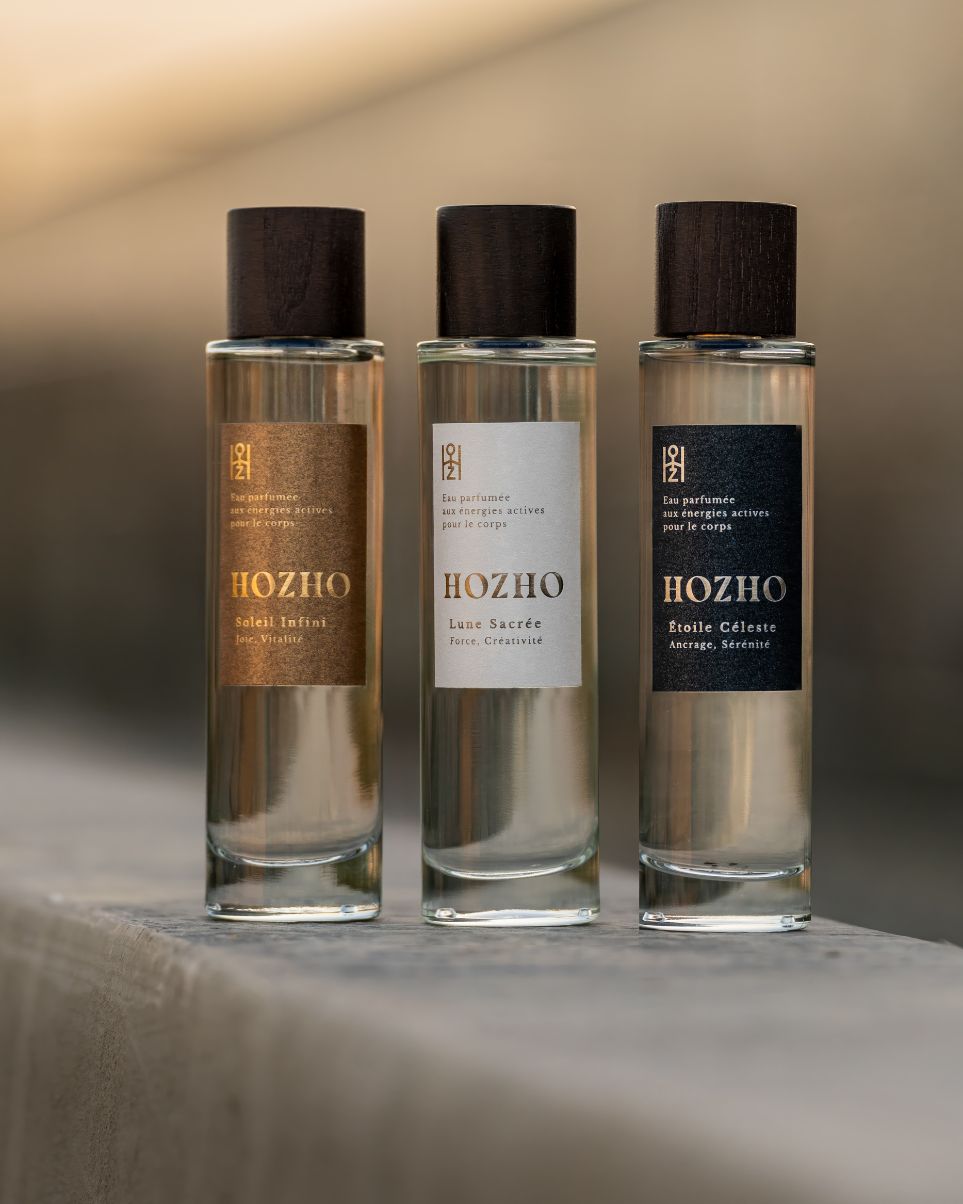
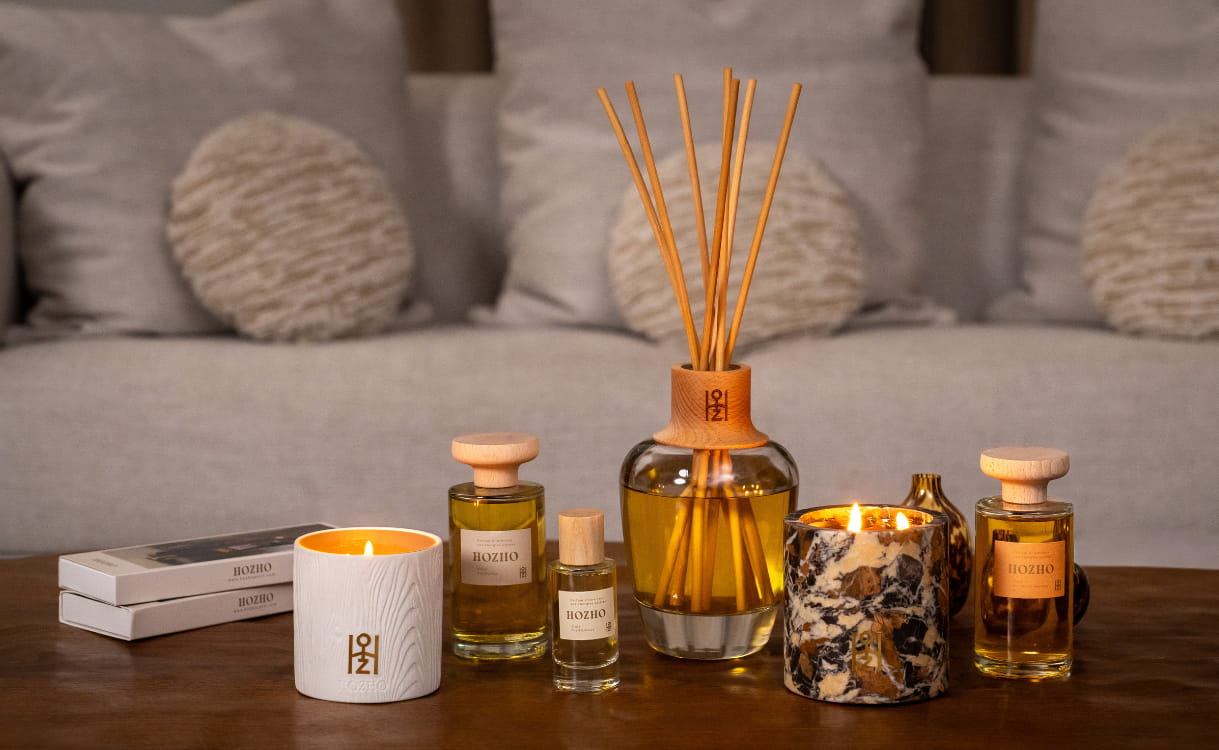
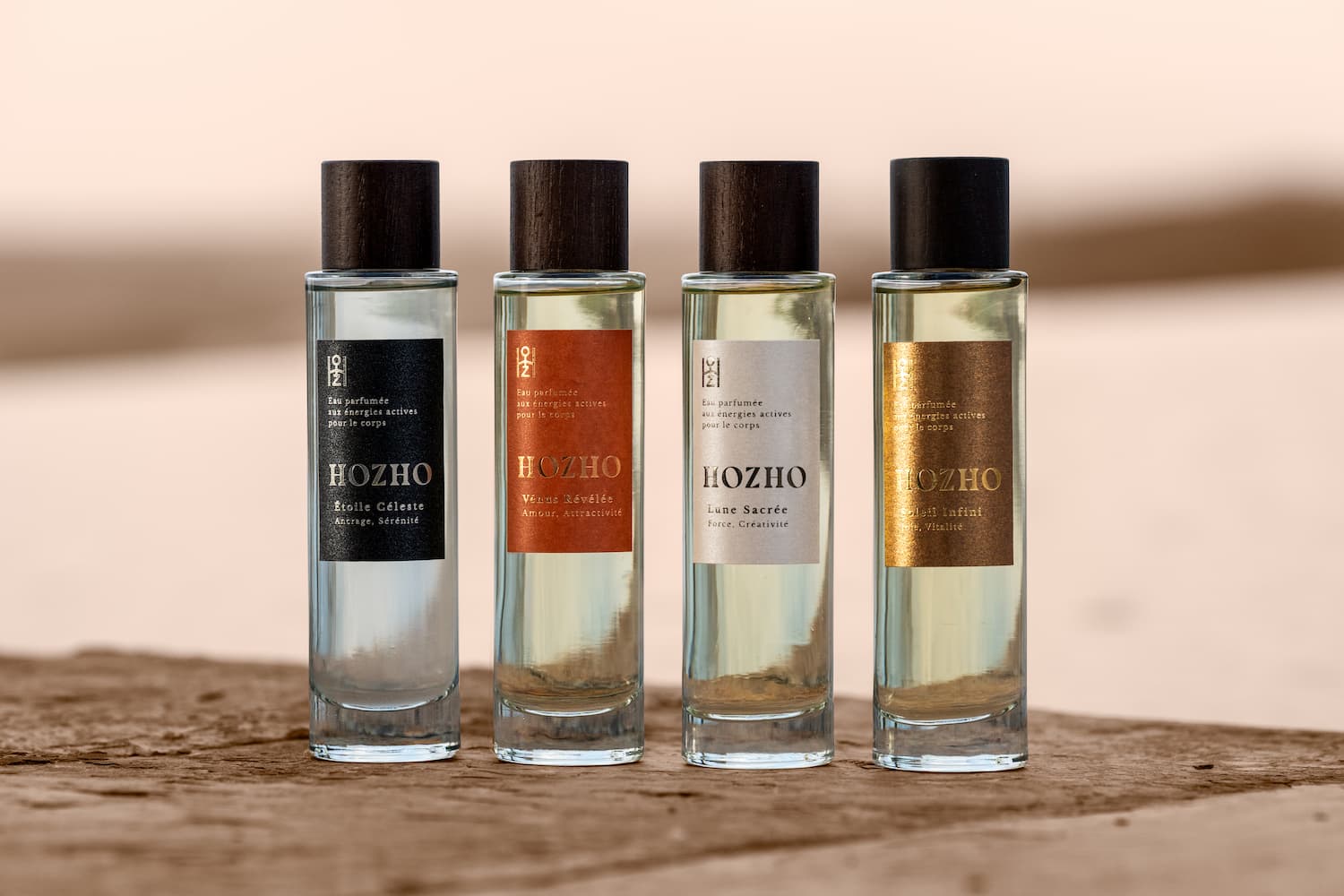
At HOZHO, we have developed a range of scented home care products that combine olfactory diffusion and energetic care, based on plants and natural wax, with no toxicity when diffused. Three formats, three experiences:
- The Flammes, energetic scented candles that act on the energies of the place, with an elegant rechargeable marble case that serves as a decorative element in its own right.
- The Pluies, energetic scented sprays for immediate action on vibrational flows.
- The Brises, reed diffusers that continuously release their energetic fragrances into the space.
#6 Gentle sounds and music: creating an acoustic bubble
Noise pollution is one of the most underestimated sources of stress, particularly for city dwellers and those living near major roads. Noise, even perceived at a low level, keeps the nervous system on alert and profoundly disrupts the quality of rest.
Creating a zen atmosphere therefore means taking care of the sound environment as much as the visual or olfactory environment.
Gentle music, 432 Hz frequencies, classical music, or jazz slow the heart rate and promote muscle relaxation.
Nature sounds reproduce the environments in which our nervous system evolved. They are naturally soothing.
White noise and pink noise can effectively mask external noise pollution, especially for sleep.
Noise-canceling headphones allow you to isolate yourself, whether in a work area or for moments of meditation.
#7 Plants, life at the heart of the space
The presence of indoor plants reduces stress, improves concentration and air quality, and contributes to a general sense of well-being. Some species are particularly renowned for their purifying and soothing virtues:
- Aloe vera, a natural air purifier, easy to maintain, and soothing.
- Pothos and philodendron, robust and generous, which provide a plant presence without requiring excessive attention.
- Lavender, which diffuses a light, soothing fragrance and contributes to sleep quality.
- Jasmine, whose sweet scent promotes relaxation, positive moods, and calm.

Did you know?
Hypersensitivity affects about 30% of the population, or one in three French people. It is neither a disease nor a disorder: it is an innate neurological functioning, characterized by a more intense perception of sensory, emotional, and cognitive stimuli.
After a day rich in interactions, highly sensitive individuals often feel the need to isolate themselves to regain their balance. This is not misanthropy, but a biological necessity: alone, in a soothing environment, they can finally let down their guard and allow their nervous system to rest.
Moments of calm help to recharge batteries and get into a state to spend time with the people who matter. For highly sensitive people, a zen interior is a fundamental need. Soft light, scents that transport and reassure, pleasant-to-the-touch materials, harmonious energies, and calm: a space designed to soothe helps regulate energy and prevent sensory overload.
At HOZHO Paris, we deeply believe that taking care of your living spaces means taking care of yourself. Our energetic scented care products, Flammes, Pluies, and Brises, have been designed to support this transformation: to perfume your spaces while acting on their energies, so that you truly feel good where you live.