


How to make a house more welcoming

It's common to live in an aesthetically pleasing, well-furnished home and still not feel completely at home. Sometimes, a pervasive fatigue sets in, the mental load remains high, and a kind of ambient tension prevails. You then have the impression that your home isn't fully fulfilling its role as a sanctuary.
Making a house feel warmer is not just about decoration, but about the atmosphere you feel when you walk through the door.
To feel good at home , it is not enough to move furniture or add objects; it is above all about understanding which energies influence the feeling of a space, the quality of rest and emotional comfort on a daily basis.
A home should soothe, welcome and rejuvenate. It is a space for exchange, rest, communication and creativity, where one comes to leave behind the day and recharge one's batteries before heading back out into the outside world.
Understanding what makes a house feel warm and inviting
To create a warm atmosphere at home, it is essential to distinguish between two often confused concepts: decoration and atmosphere .
Decoration is about what we see. Atmosphere is about what we feel.
A house can therefore be perfectly decorated, aesthetically coherent, and yet generate a feeling of discomfort, tension or fatigue.
Conversely, some very minimalist spaces immediately provide a feeling of calm, security, or well-being. This difference is not solely due to style or furniture, but to an overall balance.
A harmonious atmosphere arises from the interaction between several dimensions: visual, sensory, and emotional . It depends on how light flows, how colors interact with each other, the materials perceived by the body, but also on calm and smells.

This is precisely what approaches like feng shui or domotherapy address , considering the home as a living system. These disciplines take into account psychological aspects (feelings, security, calmness), physiological aspects (the body's reaction to sensory stimuli), and energetic aspects (circulation, stagnation, or imbalance of flows).
From this perspective, a welcoming atmosphere relies as much on light , materials and colors as on the acoustics and olfactory quality of the place.
Cold colors, unsuitable lighting, excessive visual or auditory stimulation, or a lack of coherence between spaces can generate a diffuse tension that ends up weighing on daily life.
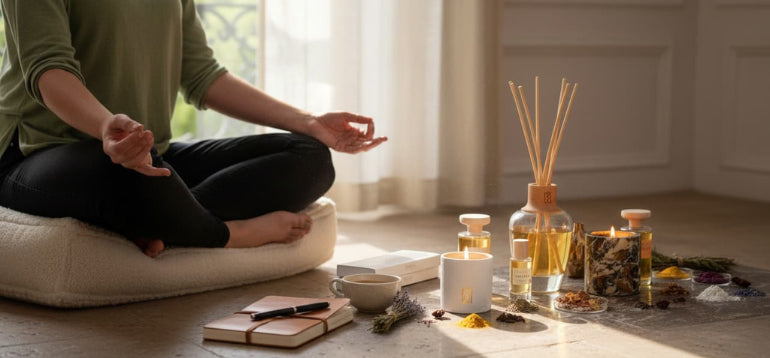
Creating a warm and welcoming home means transforming your living space into an emotional sanctuary . It means designing a space that supports the rhythms of the day, promotes rest, enhances concentration, and nurtures relationships with yourself and others.
These intuitions are now largely supported by environmental psychology . The work of Roger Ulrich has shown that the environment directly influences stress levels and the capacity for mental recovery .
For their part, Rachel and Stephen Kaplan have demonstrated that certain environments promote cognitive restoration: a reduction in mental fatigue and an improvement in emotional well-being.
Other studies based on the Mehrabian and Russell model highlight that the characteristics of a space affect emotions, mood, and behavior, regardless of the size or status of the place.
Light and materials: the first keys to a welcoming atmosphere
Among the most accessible ways to improve the atmosphere of a home , light and materials play a central role. They are often the first elements the body perceives, long before we consciously analyze a space.
Overly bright or white lighting tends to overstimulate the nervous system. Cool light, rich in blue wavelengths, keeps the brain alert and can disrupt relaxation at the end of the day.
On the contrary, warm, soft, and indirect lighting promotes relaxation and rest. It is therefore recommended to favor light sources between 2200 and 3000 Kelvin , similar to the light of a fire or a sunset.

Placed in indirect lighting (side lamps, wall lights, string lights), they naturally accompany the decrease in activity in the evening.
Materials are just as important in creating a warm interior . Wood, linen, wool, rattan, and cotton are perceived by the body as reassuring and enveloping materials. Their texture, their ability to absorb light, and their connection to the natural world contribute to creating a feeling of comfort and stability.
Combined with warm colors (beige, terracotta, ochre, mustard yellow) these materials help to create a cozy atmosphere , without decorative overload or accumulation of objects.
In this approach, the goal is not to do more, but to choose elements that improve the daily experience .
A throw blanket placed on a sofa, a soft rug, thick curtains that filter light and noise, and a few well-chosen cushions are often enough to transform an interior.
The importance of smells in the perception of an interior
Of all the senses, smell is undoubtedly the one that communicates most directly with memory and emotions .
Smells and the interior atmosphere are intimately linked: a fragrance can, in an instant, evoke a memory, soothe tension or, on the contrary, give rise to a diffuse unease.
Neurologically, olfactory information follows a unique circuit. Unlike other senses, it is processed primarily by the limbic system , a brain area involved in emotions , memory , and instinctive behaviors , without first passing through the filter of conscious reasoning.
From an evolutionary perspective, this rapid processing is linked to survival functions : the sense of smell was used to detect danger, spoiled food, or the presence of another living being. It had to raise the alarm before the rational brain had time to analyze the situation.
This “shortcut” to the emotional centers explains why a scent can trigger a reaction of rejection, comfort, or alertness in a matter of seconds. It also sheds light on the emotional power of scents and their ability to alter our inner state almost instantaneously.
This mechanism is widely used in various fields. In aromatherapy , certain essences are chosen to promote relaxation , concentration , or emotional balance .
In hotels, healthcare facilities, or retail, scent helps to create a reassuring atmosphere that is consistent with the identity of a place.
In the home, this sensory dimension is often underestimated, even though a well-chosen fragrance can immediately make a space more welcoming.
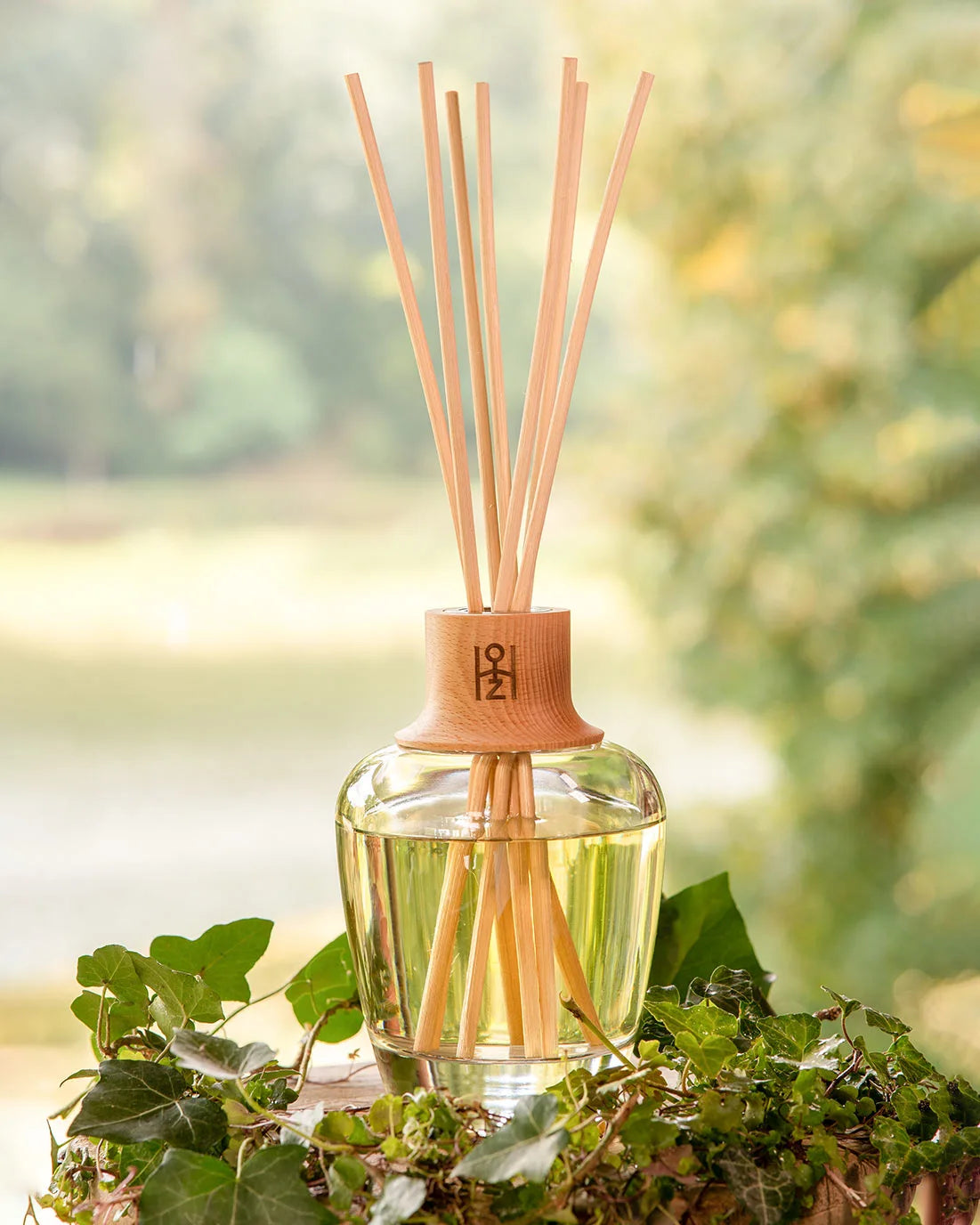
Learning to perfume your home naturally , with scents selected for their olfactory and energetic quality, allows you to refine the emotional climate of an interior and harmonize it with the lifestyle of those who live there.
Daily rituals to transform the atmosphere of your home
It is often the everyday rituals that permanently transform the atmosphere of a place. Repeated gestures, performed with intention, are enough to profoundly alter the feeling of a space.
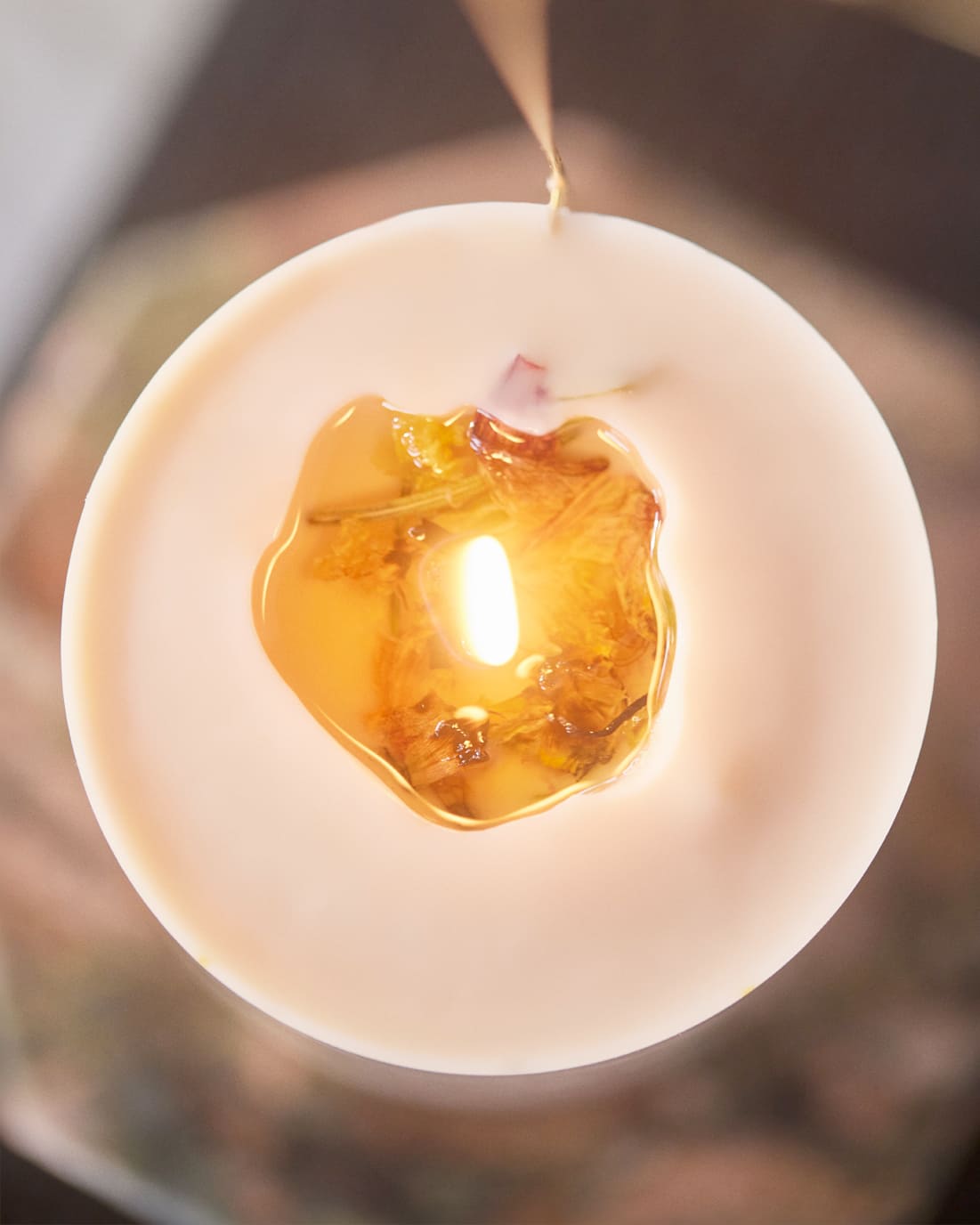
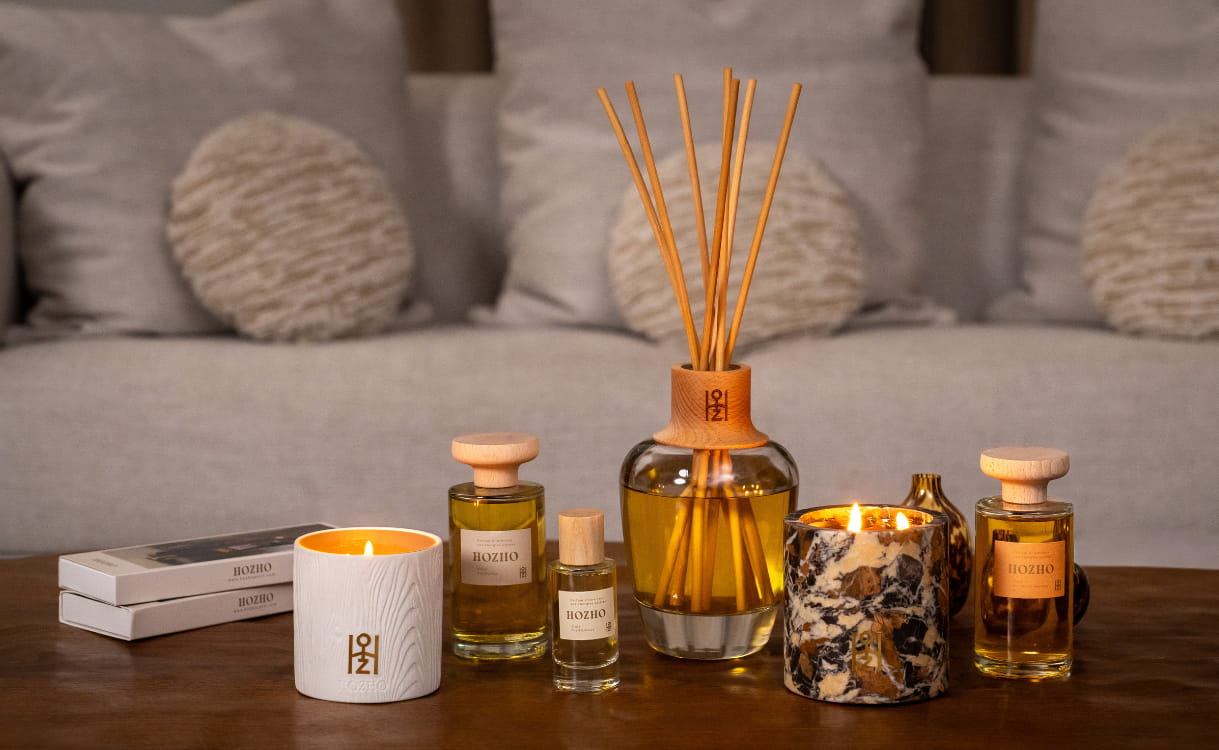
Airing out your home each morning, dimming the lights in the evening, lighting a candle, or spraying a soft fragrance all contribute to a more soothing rhythm in your living space. Adapting the ambiance of your interior allows you to better support different moments in your life : returning home from work, resting, entertaining, concentrating, or refocusing.
The home is an intimate space, a place to breathe and recharge. It absorbs our comings and goings, our emotions, our tensions, and our impulses. Making consistent choices that balance well-being , aesthetics , and the quality of products used in the home is essential for maintaining a lasting equilibrium.
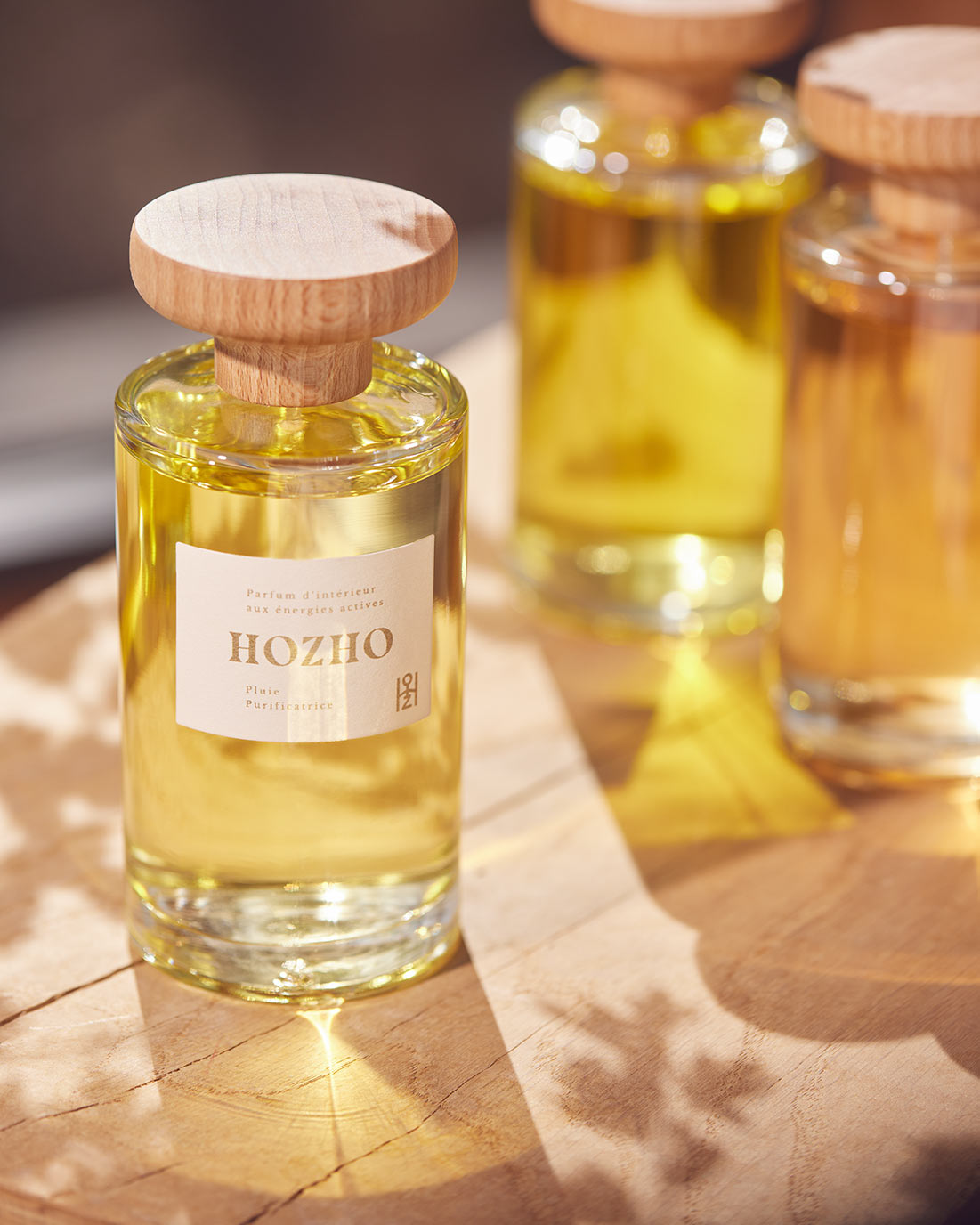
In this approach, energetic scented home care products take on their full meaning. They allow you to influence the overall atmosphere of a place , support transitions, soothe certain tensions, or revitalize spaces.
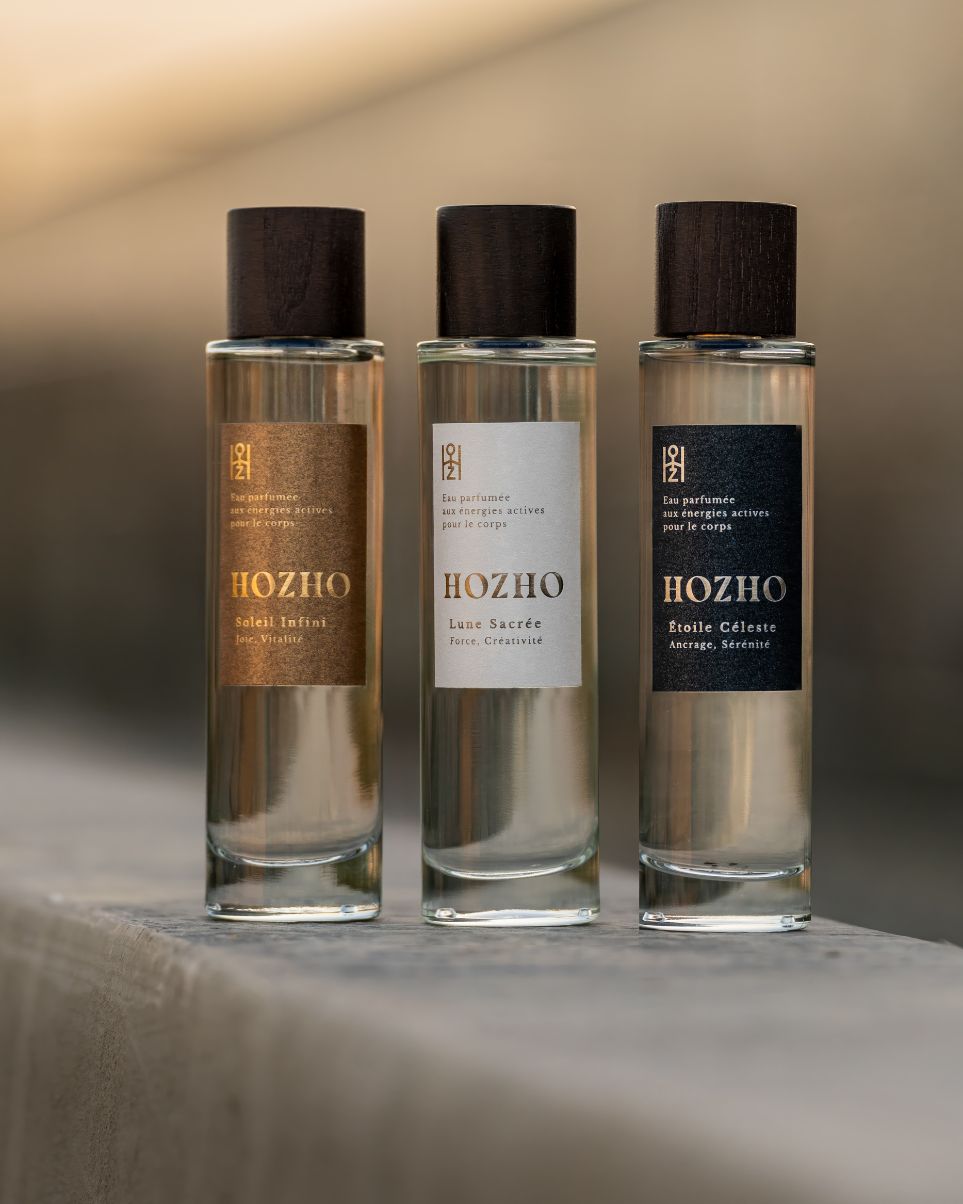
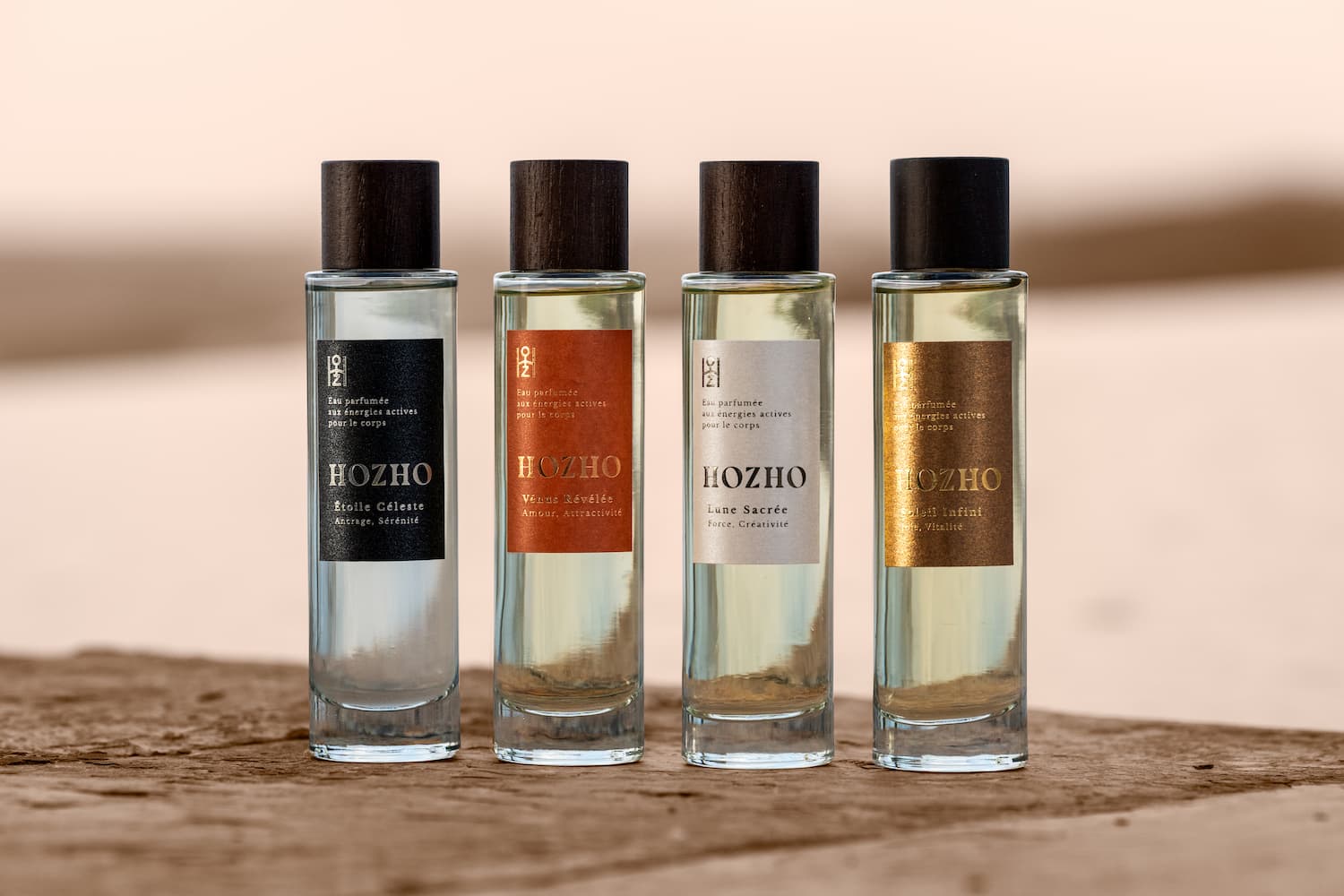
The HOZHO collections are part of this overall vision of housing through different synergies, each fulfilling a specific function:
-
Purify :
The Purifying Range, based on white sage, Palo Santo, and bamboo, is designed to cleanse the atmosphere and free spaces from stagnant energies. It is particularly recommended when moving into a new home, after an emotionally charged period, or when one feels a persistent heaviness in a place.
-
Harmonize :
The Harmonizing Collection combines extracts of sandalwood, rose, and oak, known for their calming and stabilizing effects. It promotes emotional balance, smooth communication, and a sense of coherence in shared living spaces.
-
Protect :
The Protective synergy based on myrrh , cedar and patchouli is used to strengthen grounding and create a protective envelope, especially during periods of stress or transition.
-
Vitalize :
The Vitalizing composition, carried by citrus notes, infuses a more dynamic and luminous energy. It is particularly suited to workspaces, winter months, or times when one feels a lack of drive or clarity.
-
Native American Sacred Lands :
This collection was designed to work with the memory of walls . Inspired by ancestral rituals, it accompanies important phases of transition by offering a true vibrational reset of spaces , like a new page to be written.
HOZHO, creator of energizing fragrances for the home, body, and soul, transforms every space into a unique and beneficial vibrational experience. Take a quick diagnostic to identify the fragrances best suited to your profile and the rhythms of your home.
Sources:
Ulrich, R.S. (1984). View through a window may influence recovery from surgery . Science, 224(4647), 420–421.
Kaplan, R., & Kaplan, S. (1989). The Experience of Nature: A Psychological Perspective . Cambridge University Press.
Mehrabian, A., & Russell, J. A. (1974). An Approach to Environmental Psychology . MIT Press.